What’s Really Behind Your Child’s Gross Motor Skills?
Let’s Begin at the Start
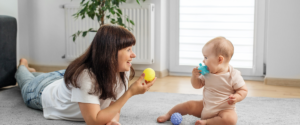
From the very beginning of life, your child is learning how to move. In the early months, this may look like curling into your chest, lifting their head during tummy time, pushing up through their arms, rolling from side to side, or reaching for a toy. As they grow, these early movements become crawling, sitting, pulling to stand, climbing, walking, running and jumping.
These are not just milestones – they are building their foundations of ‘Motor Patterns’ that support how to move in space, how much force to use, move both sides of the body together, and how to feel safe and steady in an organised, coordinated and confident way. All motor patterns stem from our reflexes, here’s the blog link to learn more.
This is why occupational therapists often look beyond whether a child can complete a skill and focus on how they move. A child may be able to run, climb or jump, but still use extra tension, speed, effort or avoidance to stay in the activity instead of moving with ease and control. Understanding these foundational movement patterns helps us identify what a child’s body may still be learning.
Flexion and Extension: Learning to Move the Body In and Out with Control
One of the earliest motor patterns children develop is flexion and extension.
- Flexion is the body’s ability to curl, bend and bring the body inwards.
- Extension is the ability to straighten, push, lift and move against gravity.
These patterns begin during tummy time, rolling and floor play as babies learn to balance curling up, bringing their hands and feet into the middle of their body and stretching movements, lifting up their head, pushing arms up and away from the body. As children grow, this foundation supports sitting upright, climbing, running, jumping, landing and changing direction.
When flexion and extension are well developed, children move with more ease and control through the front and back of their body. Their body can activate when needed and relax afterwards. They may be able to sit, play, climb and move without constantly needing to adjust their body.
When this pattern is still developing, some children may use different strategies to help feel in control:
- Hold tension through their neck, shoulders or body to stay upright
- Move stiffly or brace themselves
- Appear rigid in movements
- Collapsed, slouch, lean on furniture or tire easily
- Lying down often
- Tiring quickly
- Prefer to be inside to play than outside
- Struggle to maintain attention and regulation because so much energy is used to stabilise the body
In occupational therapy, activities such as rolling, climbing, swinging, rough play, bouncing on exercise balls and crashing into mats are used in a tailored way. This helps children build body awareness and movement control in a playful fun way.
The beauty of all of these activities is that they can also be done at home, in your backyard or at a park with a grassy hill and swings.
Top and Bottom: Learning to Stabilise for Movement together
Top and bottom motor patterns refer to how the upper body and lower body work together. Children need to develop stability through their hips, legs, trunk, shoulders and arms so that their body can move in an organised way.
This foundation supports:
- Crawling and climbing
- Jumping and balancing
- Stepping over objects
- Walking on uneven surfaces
- Moving safely through playgrounds
- Standing at the sink to brush teeth
- Balancing whilst putting pants on
- Climbing into the car
- Sitting at a table for drawing or eating
When this pattern is working well, a child can keep their body steady while their arms or legs move. Their movement looks more controlled and organised.
When it is still developing, movement may look effortful or less coordinated. Children may:
- Move their whole body as one piece
- Arms or head collapses during movements or forget arms or legs when climbing – moving arms first or only legs.
- Seek crashing or movement to feel more organised
- Avoid movement because it feels unpredictable
- Use momentum to move through an activity and not activation of muscles.
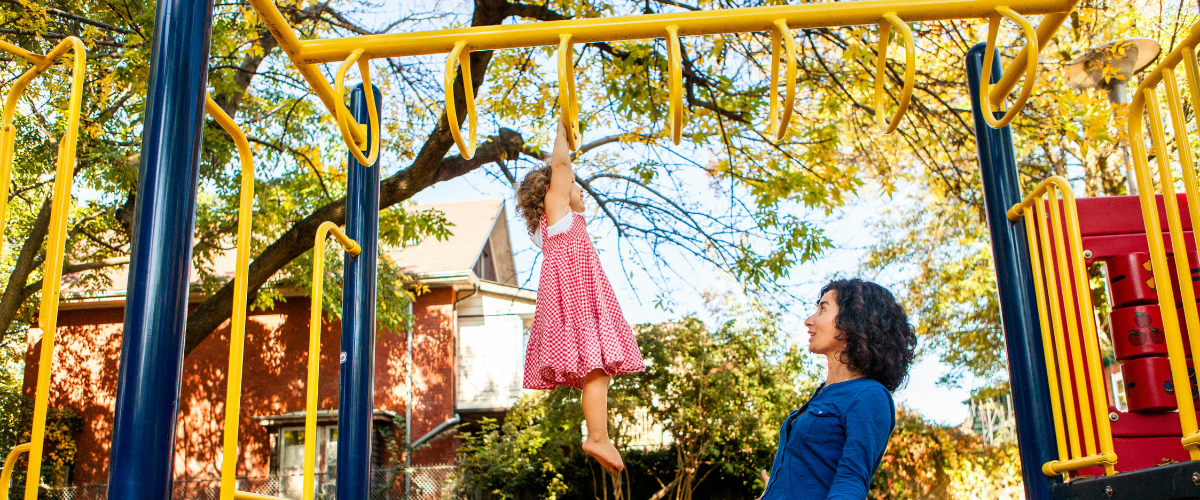
OT sessions often target this pattern through obstacle courses, balancing on beams, climbing over, under or through equipment, crawling through tunnels and pushing balls, and stepping stone activities, moving through crash mats that combine movement with stability in a fun and meaningful way.
What has been a fun obstacle course or activity that your children have loved? Was it made at home or somewhere in your community?
Left and Right: Building Coordination, Rhythm and Flow
The left and right motor pattern is how the two sides of the body work together. This includes using both sides of the body at the same time; alternating sides, crossing the middle of the body, using one side to stabilise while the other side completes a task and coordination movements smoothly.
This pattern develops through crawling, walking, climbing and later supports:
- Ball skills
- Riding bikes or scooters
- Playground games
- Sport and dance
- Motor planning and coordination
When left and right integration is well developed, movement looks rhythmic and automatic.
When this pattern is still developing, children may:
- Rely heavily on one side of the body
- Avoid crossing the middle
- Swap hands during activities
- Find ball skills or bike riding difficult
- Struggle with coordination during play
- Avoid playground equipment
- Look more effortful and hard work to keep going
- They may know what they want to do, but their body may not yet know how to put the movement together smoothly
These challenges can also affect social participation when games feel too fast or unpredictable. This can become too overwhelming and have difficulty adjusting their body to the environment and others around them.
In OT, activities such as crawling, animal walks, climbing, scooter boards, swings and throwing games help both sides of the body work together through timing and rhythmicity while building confidence and body awareness.
Why These Foundations Matters Beyond Gross Motor Skills
Motor patterns are important because they sit underneath so many of the skills families care about. They support:
- Running, jumping and climbing
- Handwriting and sitting posture
- Dressing and toileting
- Using cutlery and opening lunchboxes
- Participating and joining in school, sport and family life
Movement foundations are also closely linked to emotional regulation. When a child’s body feels organised and stable movement can help them feel calm, alert and manage emotions. When movement feels unstable, effortful or unclear, the body has to work harder, children may appear avoidant, frustrated, silly or overwhelmed.
Reclaiming Potential with Clarity
When your child is bouncing on an exercise ball, crashing into mats, crawling through tunnels, swinging, climbing, rolling, balancing, pushing or pulling, they are not just playing. They are learning how to organise their body, use their muscles with control, understand where they are in space, coordinate both sides of their body, be more confident in movement and feel safe in their environment. By understanding motor patterns, we can look beneath the surface and see what a child’s body may still be learning.
Check out some previous blogs that may give you ideas on what you can do in the community and different gross motor activities you can do at home that target your tummy neck and shoulder muscles.
Occupational therapy uses purposeful play to strengthen these foundational motor patterns so bigger skills can develop with more ease. By understanding what sits underneath movement, we can better support children exactly where they are in their development. If you have been wondering whether your child could benefit from this kind of support, we would love to have that conversation with you. Reach out to your treating clinician or touch base with us here or call 0477 708 217.
Until next time,
Maddie
If you’d like to chat more, please don’t hesitate to contact us today! Call us on 0477 708 217 or email admin@exploreandsoar.com.au
PUBLISHED JUNE 2026