Strong Hands Through Play:
Building Confidence, One Squeeze at a Time
As we continue exploring our 2026 theme, Reclaiming Potential with Clarity, we’re focusing this month on fine motor development and one question we often hear from families is “why does my child find tasks like handwriting, buttoning clothes, using cutlery or opening containers so difficult?”
While these activities may seem simple, they rely on strong and coordinated muscles in the hands, fingers and wrists.
When children find these tasks challenging, it’s important to look beyond the skill itself and understand the foundations that support it. Questions we might ask include:
- Does your child have difficulty sitting for a period of time?
- Does your child tire easily when writing?
- Do they prefer using their hands instead of utensils or pencils during the day?
- Do they become frustrated with dressing tasks?
- Do they struggle to manipulate small objects?
These challenges can sometimes indicate that the muscles and coordination skills within the hands are still developing. Often, when families come to us with concerns about fine motor development, one of the tools we may introduce is Theraputty. It might look like a simple piece of putty, but when used purposefully, it can help strengthen the foundations needed for many everyday activities.
What is Theraputty?
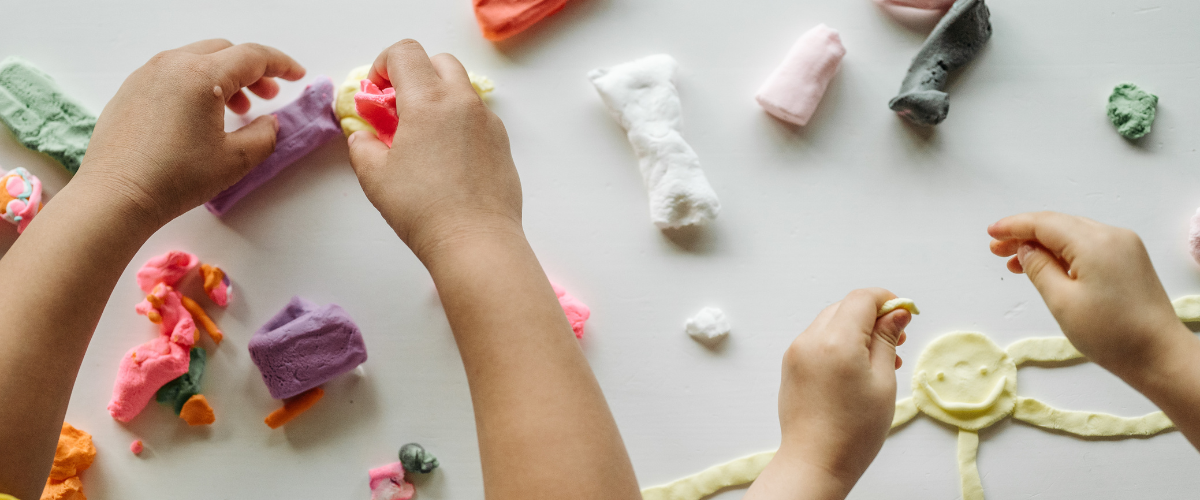
One tool occupational therapists often use to support hand strength and fine motor development is Theraputty, a resistive putty that looks similar to playdough but provides greater resistance, making the muscles in the hands and fingers work harder. At Explore & Soar, we regularly use Theraputty in therapy sessions and may recommend it as part of a home program to support ongoing skill development.
The best part? Children often see it as play, while we know they’re building important foundations for everyday activities.
Why Do We Use It?
Theraputty can help develop:
- Hand and finger strength
- Pencil grasp and control
- Coordination
- Bilateral hand use
- Dexterity and manipulation skills
- Independence in everyday tasks
- Engagement for extended period of time
These skills support participation in activities such as handwriting, dressing, eating, craft, construction play and many other daily routines.
Making Strengthening Fun
One of the reasons we love Theraputty is its versatility. There are endless ways to make strengthening engaging and playful.
Some of our favourite activities include:
- Rolling the putty into balls or snakes
- Pinching scales onto a snake using fingertips
- Squashing it into pancakes or pizzas
- Hiding small objects inside for a treasure hunt
- Creating letters and names with rolled pieces
- Stretching, pulling and squeezing with both hands
These activities help strengthen little hands while keeping children motivated and engaged.
Strong Hands Create Opportunities
At Explore & Soar, we know that fine motor development is about much more than strengthening hands.
It is about supporting your children, engaging with their friends, getting ready in the morning and having fun whilst doing it. By focusing on fine motor development, we’re helping our children to develop strong, coordinated hands which can help to;
- Write with greater confidence
- Manage dressing tasks more independently
- Use cutlery effectively
- Engage in craft activities
- Participate in classroom tasks
- Develop confidence in everyday life
When we understand the foundations behind a challenge, we can provide support that is purposeful, specific and meaningful for every child and family we work with.
That is what Reclaiming Potential with Clarity is all about.
We’d love to Support Your Family
If you’ve noticed your child finding fine motor tasks difficult, or you’re wondering whether additional support may help, we’d love to have that conversation with you. Speak with your treating therapist or contact the Explore & Soar team by calling 0477 708 217 or sending an email to admin@exploreandsoar.com.au
Together, we can explore what is behind the challenge and support your child to build the foundations for confidence, participation and success.
Until next time,
Sophie
PUBLISHED JULY 2026